
What Is Bitcoin?
A peer-to-peer monetary network with a fixed supply, open rules, and no central issuer.
Bitcoin Basics
Common reasons investors allocate to Bitcoin—and the risks to weigh alongside them.

Many holders view Bitcoin as a scarce, globally portable asset that is independent of any single issuer. Some use it for long-term savings, others for portfolio diversification or as a hedge against currency debasement. Liquidity and 24/7 markets make it accessible worldwide.
Bitcoin remains volatile and regulatory treatment varies by country. Position size, time horizon, and custody plan should reflect your financial situation. Only invest what you can hold through large price swings without changing your strategy.
Some investors treat Bitcoin as a scarce digital asset with global liquidity. Others view it as diversification from traditional equities and bonds.
Remittance, inflation hedging, and censorship resistance motivate holders in different regions.
Price swings can exceed fifty percent within months. Regulatory treatment evolves. Technology risk never reaches zero.
Position sizing should reflect volatility and financial obligations. Bitcoin is not a substitute for emergency cash.
Many use recurring purchases to smooth entry timing. Others pair a core position with strict custody and inheritance plans.
Education precedes size. Understanding keys, fees, and taxes helps you hold through volatility without panic decisions.

A peer-to-peer monetary network with a fixed supply, open rules, and no central issuer.
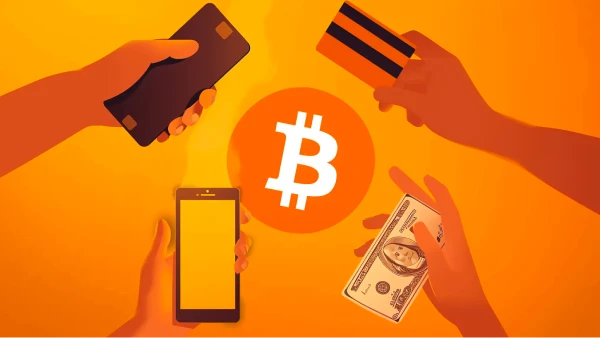
Ways to acquire Bitcoin, what to compare between platforms, and steps before your first purchase.

How cryptographic keys prove ownership and authorize every Bitcoin transfer.