How to Buy Bitcoin
Ways to acquire Bitcoin, what to compare between platforms, and steps before your first purchase.
Bitcoin Basics
A peer-to-peer monetary network with a fixed supply, open rules, and no central issuer.

Bitcoin is digital money secured by a distributed network of computers. No bank or government creates or controls it. Instead, software enforces a public ledger that records who owns what, and a hard cap of 21 million coins limits total supply.
For holders, the practical takeaway is simple: Bitcoin is a bearer asset. Whoever controls the private keys controls the coins. That property enables global transfer without intermediaries, but it also makes secure custody your responsibility.
The Bitcoin blockchain is a shared record of every transaction since the network launched. Thousands of independent nodes store copies and apply the same rules, so no single party can quietly rewrite history without convincing the rest of the network to follow.
New transactions are grouped into blocks and linked cryptographically to prior blocks. Anyone can audit balances and flows using a block explorer—transparency is a core design feature, not an afterthought.
Bitcoin's software caps total supply at 21 million coins. New coins enter circulation through mining rewards on a schedule that slows over time. Halvings reduce the subsidy again, reinforcing scarcity as adoption grows.
Holders often cite predictable issuance as a contrast to fiat currencies, where supply can expand with policy decisions. Whether that justifies a portfolio position is personal—but the rules are open for anyone to verify.
Because Bitcoin is a bearer asset, access equals ownership. Platforms can custody coins on your behalf, but on-chain self-custody means you—not a bank—control spending permission through your keys.
That independence cuts both ways: there is no central help desk to reverse a mistaken transfer, and lost keys can mean permanent loss. Understanding Bitcoin starts with accepting that trade-off and planning custody accordingly.
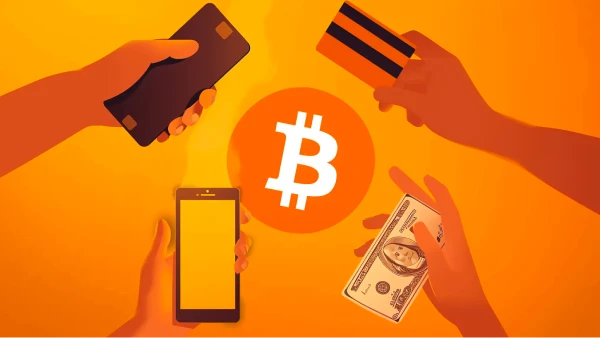
Ways to acquire Bitcoin, what to compare between platforms, and steps before your first purchase.
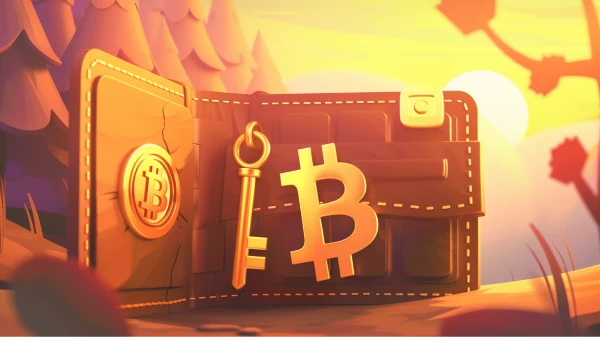
How cryptographic keys prove ownership and authorize every Bitcoin transfer.
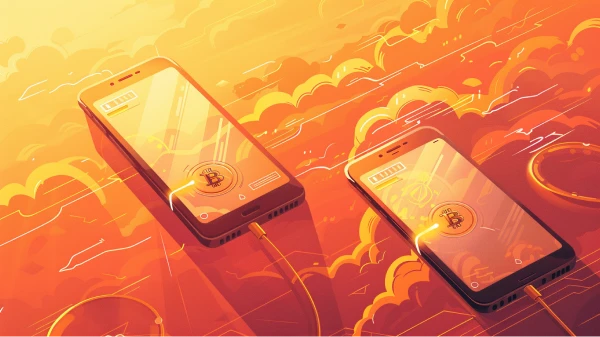
From wallet broadcast to network confirmation—what happens when you send Bitcoin.